 Kar
Find the version you play
Use a guide to check the actual rules before your first match. A familiar card or board game may have house rules that differ from this version. Makao, for example, has separate Quick and Classic options.
Choose a game for its rules, scoring, worked examples, strategy, common mistakes and FAQ. Every guide describes the variant used by Karciak and the shared Karciak service.
Use a guide to check the actual rules before your first match. A familiar card or board game may have house rules that differ from this version. Makao, for example, has separate Quick and Classic options.
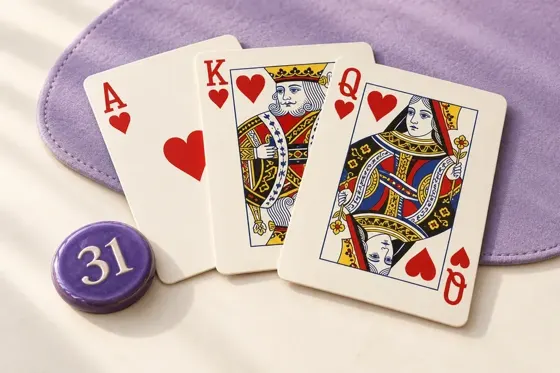
Thirty-One is a quick game of building the best three-card hand in one suit. You start with three lives. Draw, discard and decide when to knock; the weakest hand loses a life, while a bad knock can cost two.
Rules, strategy & FAQ
Liar’s Duel combines hidden cards with a growing risk of elimination. The table calls for Kings, Queens or Aces; play face down and claim your cards match. Your opponent can believe you or call Liar. A failed challenge sends one player to the Wheel of Fate.
Rules, strategy & FAQ
Push Your Luck asks everyone to add to one shared total without exceeding a visible limit. A safe last card wins immediately. An unsafe card sends you to the Wheel of Fate, where each previous failure makes survival harder.
Rules, strategy & FAQ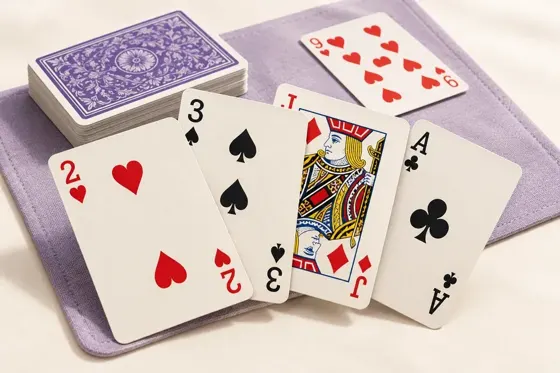
Makao is a Polish shedding game played with a standard 52-card deck. Match the discard’s suit or rank, manage penalties and empty your hand. Choose Quick or Classic before starting: the Jack works differently, and Classic adds attacking Kings and the Makao declaration.
Rules, strategy & FAQ
Old Maid is a simple game of pairs and hidden draws. Matching pairs leave your hand automatically, but one extra card has no partner. Get rid of every card before you become the player left holding the Old Maid.
Rules, strategy & FAQ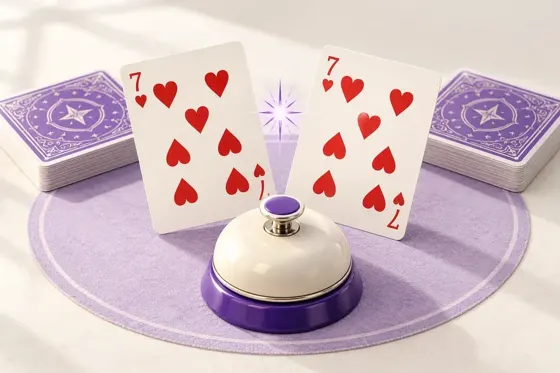
Snap rewards attention and fast reactions. Players flip cards onto one shared pile. When two consecutive cards have the same rank, be first to call Snap and take the pile. Lose every card and you are out.
Rules, strategy & FAQ
Cheat is a race to discard your hand through face-down claims. Announce a rank when you play, whether or not the cards match. Opponents can challenge: a caught bluff makes you collect the pile, while a mistaken challenge makes the caller collect it.
Rules, strategy & FAQ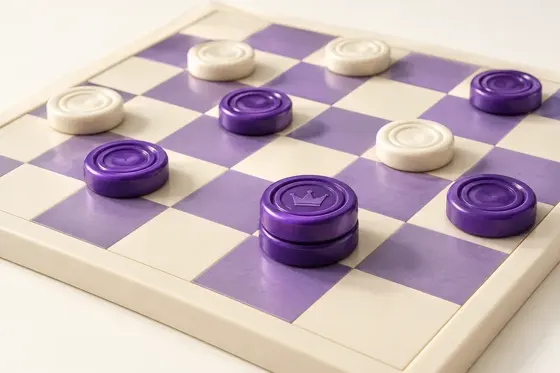
This Checkers variant uses an 8×8 board with Brazilian-style capture rules. Men can capture backward, kings fly along diagonals, and you must choose a capture sequence taking the greatest possible number of pieces.
Rules, strategy & FAQ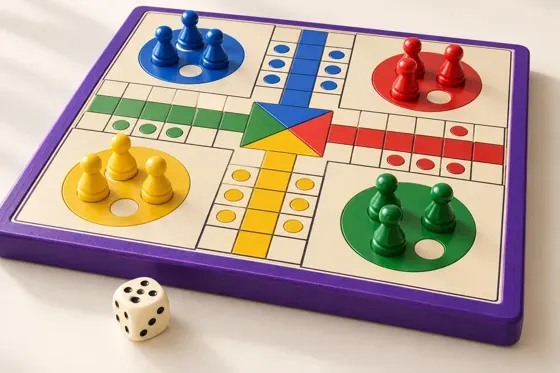
Ludo is a race to bring four pieces from their base around the board and into your home column. A Six gets a piece started and grants another roll. Captures can send an almost-finished rival all the way back.
Rules, strategy & FAQ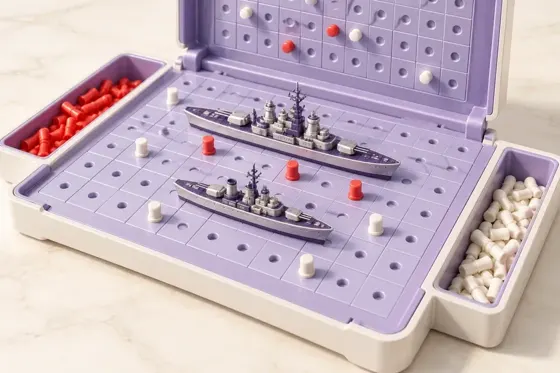
Battleship pits two hidden fleets against each other on 10×10 grids. Find a ship, follow its line and sink it before your opponent finds all of yours. A hit earns another shot; a miss passes the turn.
Rules, strategy & FAQ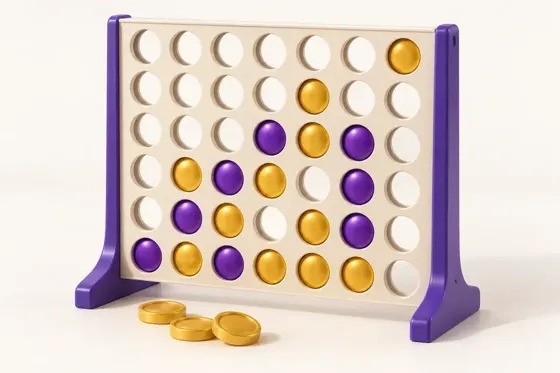
Four in a Row is played on a seven-column, six-row board. Drop a counter into a column and build a horizontal, vertical or diagonal line of four before your opponent does.
Rules, strategy & FAQ
Chess is a contest to checkmate the opposing king. Karciak supports the usual special moves: castling, en passant and a choice of promotion piece. Practise against a bot or choose a ranked duel for the separate chess ELO.
Rules, strategy & FAQ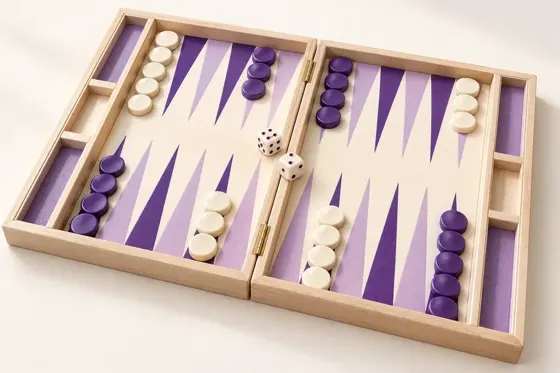
Backgammon combines a race with tactical contact. Move fifteen checkers around twenty-four points, hit exposed opposing checkers and bring your own into the home board before bearing them off.
Rules, strategy & FAQ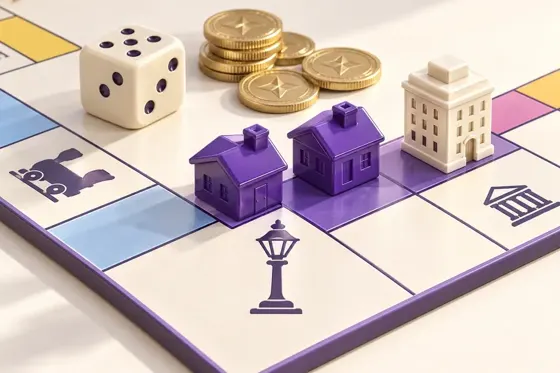
Property Tycoon is a race to remain solvent on a forty-square board of Polish cities. Buy properties, complete colour groups and collect rent, while keeping enough cash for auctions, taxes and an unlucky landing.
Rules, strategy & FAQ
Hearts rewards the lowest score. Avoid taking hearts and the Queen of spades, or attempt the risky alternative of collecting every penalty card and shooting the moon. Empty seats at the four-player table are filled by bots.
Rules, strategy & FAQ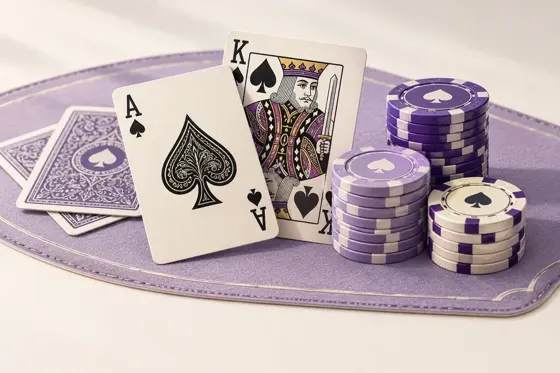
Texas Hold’em is a virtual-chip tournament with two private cards per player and five shared community cards. Make the strongest five-card hand, win uncontested pots when everyone folds, and survive rising blinds to become the last player with chips.
Rules, strategy & FAQ
Blackjack is played against the dealer with virtual chips. Approach 21 without going over, choose when to hit or stand, and manage ten hands starting from a 1,000-chip stack. There is no real-money stake or cash-out.
Rules, strategy & FAQ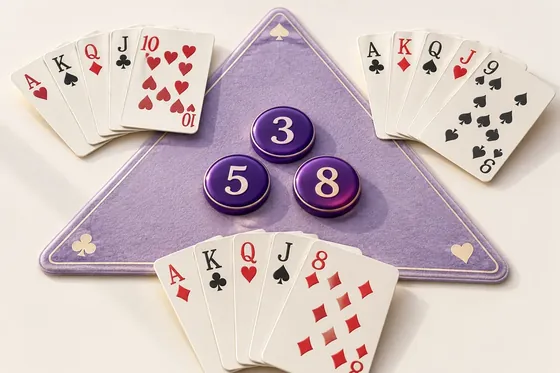
3-5-8, also known as Sergeant Major, gives the three seats different trick targets. Make more than your target to score and gain a favourable card exchange in the following deal. Dealer duties and targets rotate.
Rules, strategy & FAQ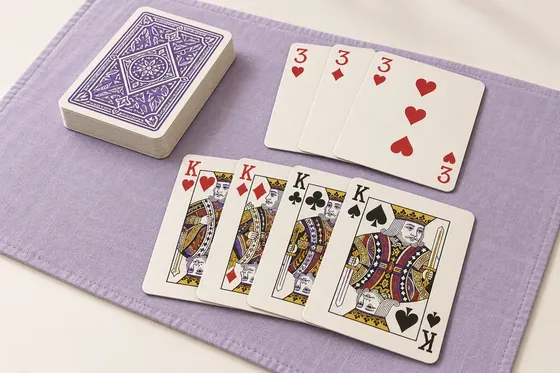
Canasta uses two decks and four Jokers. Build same-rank melds into seven-card canastas, control the discard pile and manage the opening threshold. Two-player games require two canastas to go out; partnerships require one.
Rules, strategy & FAQ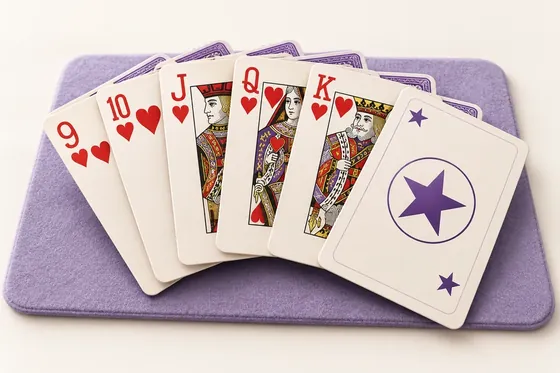
Rummy uses two decks and four Jokers to build runs and sets. Open with at least 51 points, add to the table’s melds and shed your hand. The winner of the three-deal match is the player with the fewest penalty points.
Rules, strategy & FAQ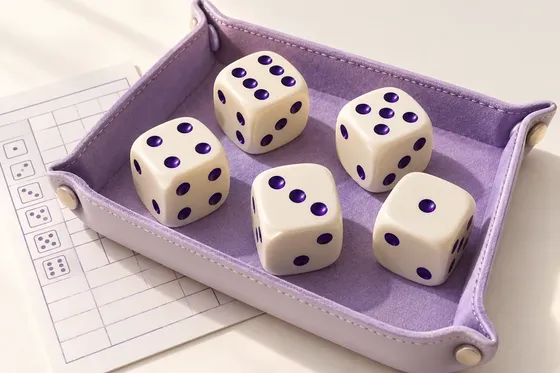
Dice is a thirteen-category game with five dice and up to three rolls per turn. Hold useful dice, choose a scoring category and balance immediate points against the 35-point upper-section bonus.
Rules, strategy & FAQ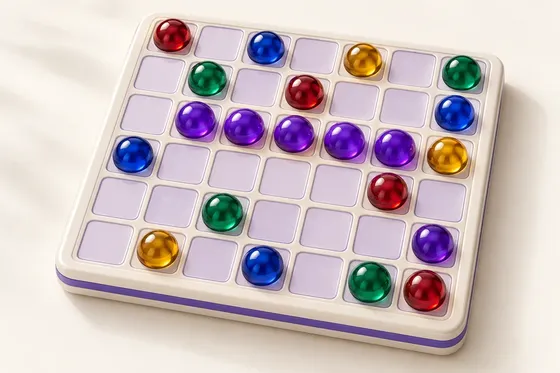
Lines is a five-minute puzzle duel on a 9×9 board. Move coloured balls through open paths to make lines of five or more. Clearing a line creates room; an ordinary move adds three new balls.
Rules, strategy & FAQ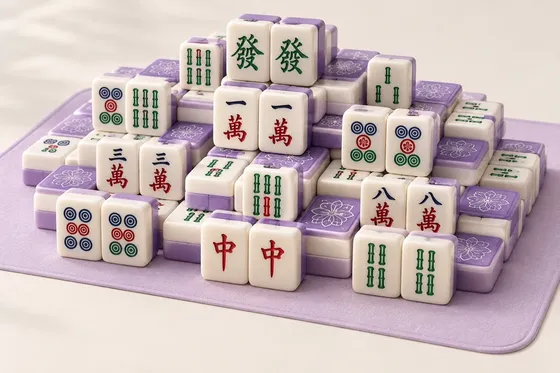
Mahjong Solitaire uses 144 layered tiles. Remove free matching pairs until the board is empty, using hints, undo and reshuffling when needed. This is a one-player matching puzzle, not the four-player Mahjong game.
Rules, strategy & FAQ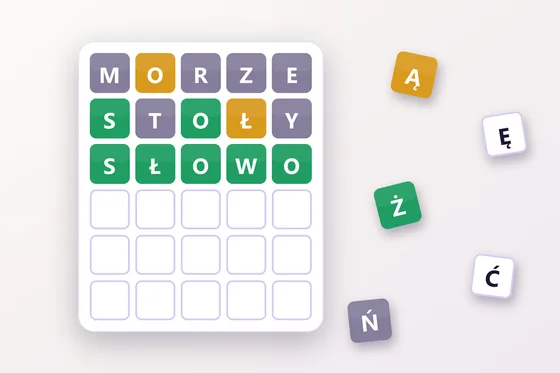
Daily Word gives you six guesses at a shared five-letter word. Read the coloured feedback, account for repeated letters and solve the puzzle in as few guesses as possible. The answer changes at midnight in Poland.
Rules, strategy & FAQ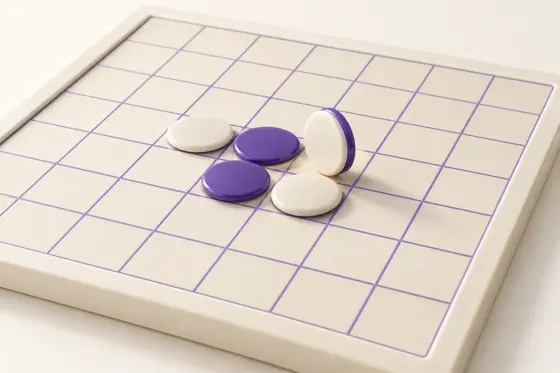
Reversi begins with four discs at the centre of an 8×8 board. Place a disc to enclose an unbroken opposing line between two of your own, then flip that line. The aim is to own the most discs when neither player can move.
Rules, strategy & FAQ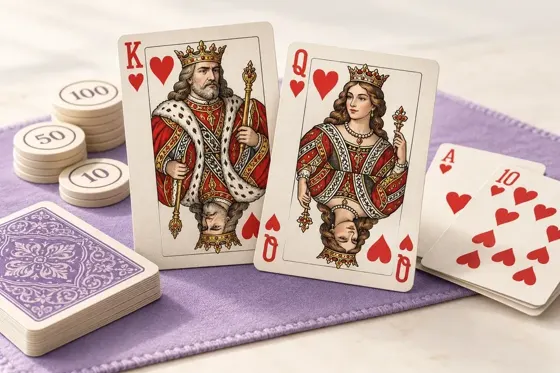
Thousand combines bidding, valuable tricks and King–Queen marriages. Win the auction, collect the kitty and declare a contract you can make. Tens outrank Kings, trump changes when a marriage is announced, and only the first player to 1,000 wins.
Rules, strategy & FAQ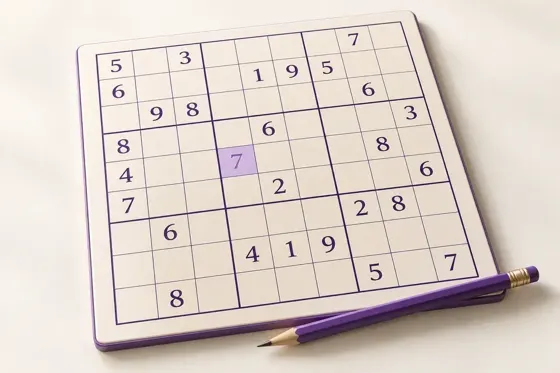
Sudoku asks you to fill a 9×9 grid with digits 1–9, without repetition in any row, column or 3×3 box. Play alone with notes and hints, or race a rival on the same grid.
Rules, strategy & FAQ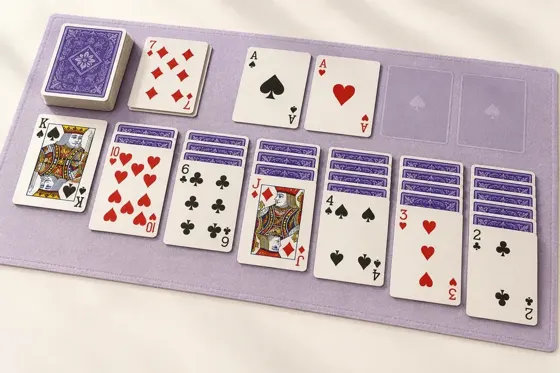
Solitaire uses classic Klondike rules: seven tableau columns, a one-card stock draw and four suit foundations. Reveal hidden cards and build every foundation from Ace to King. Duel mode gives both players the same deal.
Rules, strategy & FAQ
Bubble Machine rewards accurate shots and clever disconnections. Match at least three bubbles of one colour, drop groups no longer attached to the top and build a streak. Duels use identical boards and colour queues.
Rules, strategy & FAQ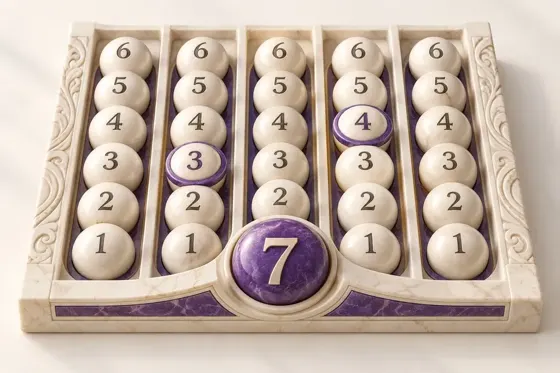
Sevenventure is a puzzle of selecting available balls that sum to exactly seven. Both players receive the same board and reserve sequence, so planning clears and preserving a combo matter more than the luck of a different layout.
Rules, strategy & FAQ
Magic Peaks is a TriPeaks score duel with three pyramids of cards. Remove an exposed card one rank above or below the discard, build long chains and reveal new options. The same deal is used for both players.
Rules, strategy & FAQ